
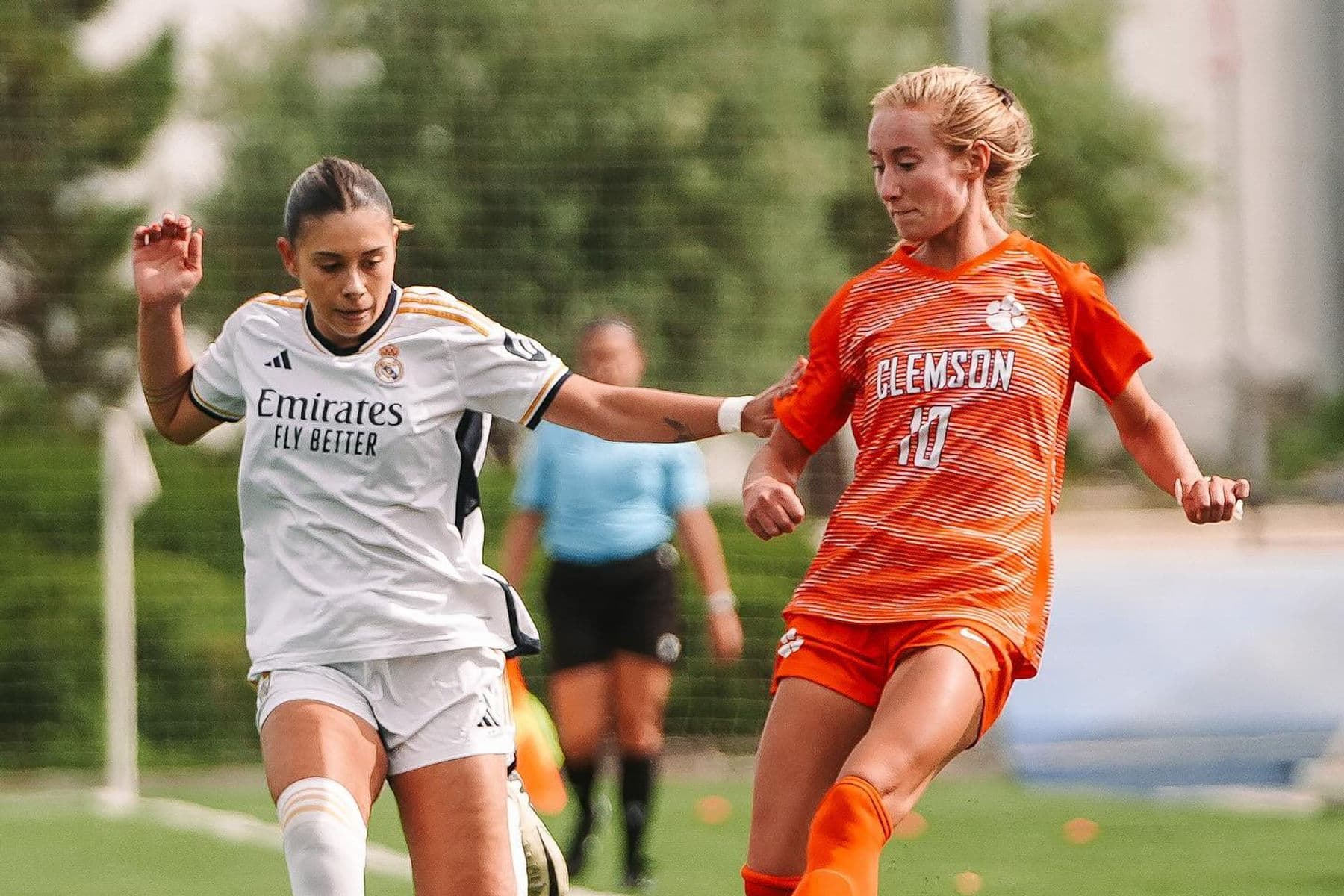
Eture Women's Soccer
Your path to professional soccer in Europe
Come to Spain for a season. Train every day in a high-performance environment, compete inside the Spanish soccer system, and find out how far you can actually go — then take the right next step, whether that turns out to be professional soccer here or college soccer in the United States.
One full season · Based in the Valencia area · High school, gap year and postgrad players
The opportunity
One year to find out what you are actually capable of
Most players never get a straight answer about their ceiling. They are told to work hard, and then a decision arrives — an offer, a last season, a quiet end — before anybody has honestly measured what they could have become.
This is a season built to answer that question rather than postpone it. You train every day to a plan, you compete inside the Spanish game against players who grew up in it, and you are assessed by people who place players for a living and have no reason to flatter you.
What you leave with is not a trophy. It is a level you did not have in September, a next step chosen with information rather than hope, and the thing this whole organisation exists to produce: more of who you already were.
Who it is for
Three ways in, one pathway
The entry point changes. The season does not — same staff, same standard, same question at the end of it. The standard is not there to punish anybody; it is there because the next level has one.
Still in school
High School
You want to keep studying while your soccer develops somewhere it will be tested. You continue your education in Spain and train daily, years before the decisions that matter start arriving.
Between school and college
Gap Year
You are finishing high school and you would rather raise your level for a year than arrive at college as the player you were at seventeen. Compete a full Spanish season, then choose from a stronger position.
After college
Postgrad
Your eligibility is finished and your career is not. Come and compete in Spain, in front of people who work in the professional game every day, and find out what a next contract could realistically look like.
Development
Built to develop the complete player
Five things, every week, for a full season. None of it is a workshop or a one-off.
Team training
Daily sessions with your group, run to a season plan rather than to whatever the week happens to feel like.
Individual work
Specific sessions on what your game needs, chosen from what the staff sees rather than from what you already do well.
Player development
Your own plan, reviewed through the season, so progress is something you can see rather than something you are told about.
Tactical adaptation
Learning to play Spanish football: the positioning, the tempo and the reading of the game a Spanish dressing room assumes you already have.
Strength & conditioning
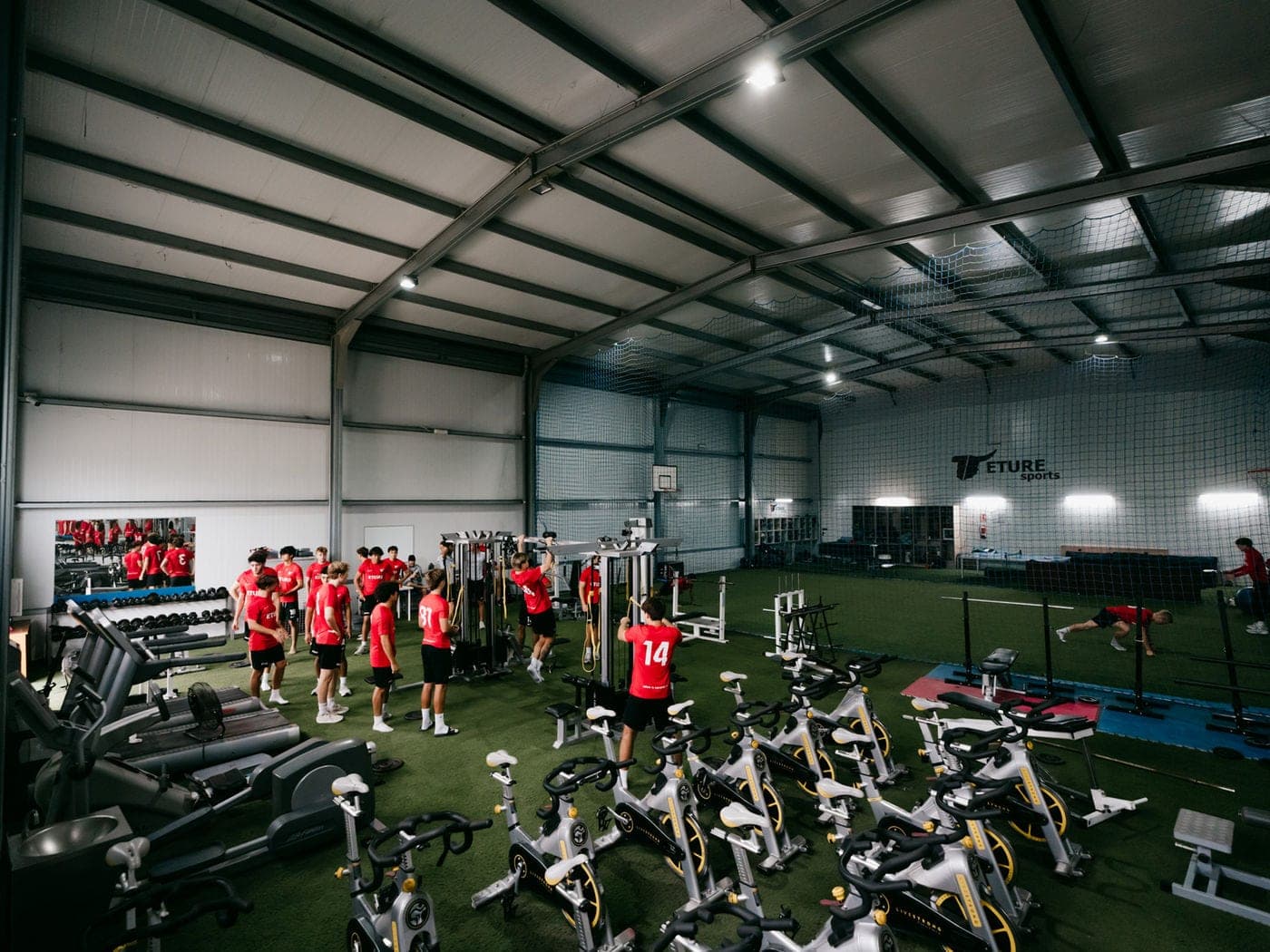
Structured physical work in our own weight room, so the level you reach in March is a level your body can hold.
The Spanish club pathway
You do not just train here. You play here.
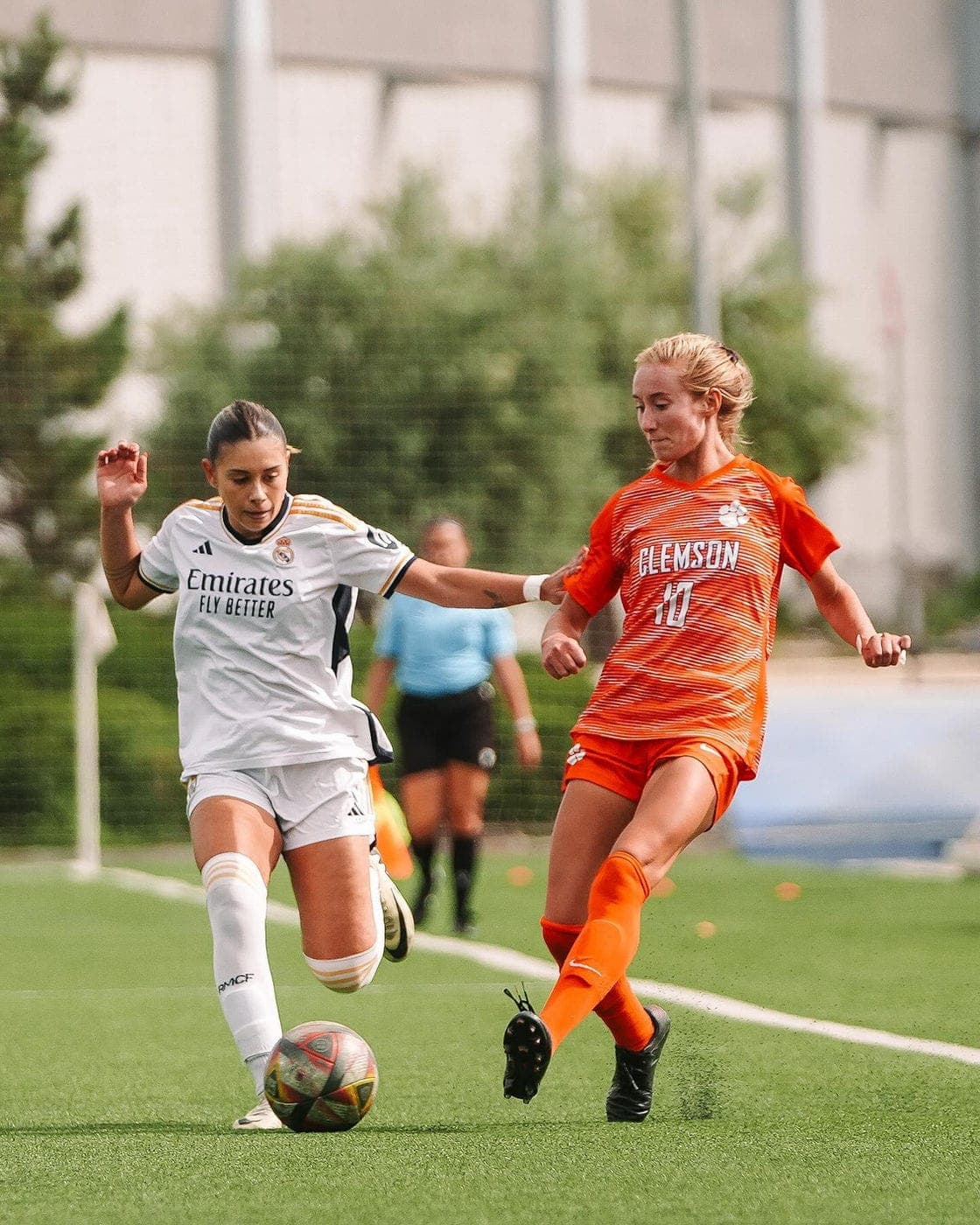
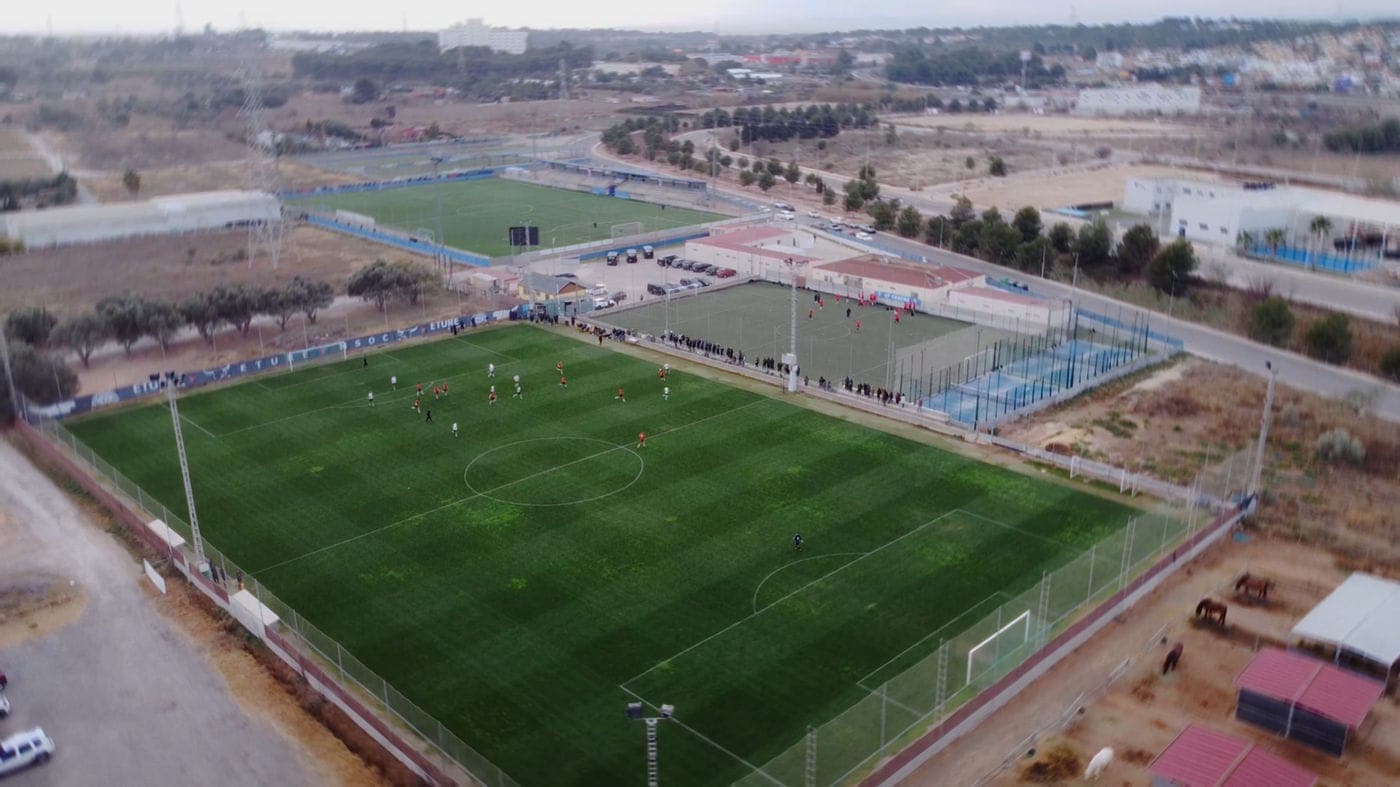
A season of training is not a season of football. Through your first year we work to place you in the Spanish club environment that matches your level and what your development needs — competitive minutes in a real league, with a real table, in front of people who are watching.
The placement is individual. Where you play is decided by where you are, not by where the group is, and it is not the end of the conversation: what you do once you are there is what opens the next door.
Most of this happens in and around Valencia, where we are based and where our staff know the clubs.
We do not sell a program. We provide a pathway — and a pathway is walked, not bought. Where you play is matched to you and then earned, and if the fit turns out to be wrong, finding a better one is our job, not yours.
The Eture model
Placement is a step, not the finish line
Eture works the same way wherever it works: identify potential, build character, produce talent, promote opportunity. For a player spending a season in Spain, that is these six steps — and what happens after she is placed is the part most programs never describe.
Develop
Daily training, individual work and physical development, from your first week.
Spanish club
Placement in the environment that fits your level and what you need next.
Compete
Real minutes in a real competition, week after week.
Perform
Performance is the currency. Everything after this step is built on it.
Career assessment
An honest read of where you stand, from people who place players for a living.
Next opportunity
A higher level here, a different environment, or the college route — whichever the assessment says is yours.
If you are performing and the opportunity is not there, we look for a better environment. If college turns out to be the right route, we take you down it. What we do not do is promise a transfer or a contract before you have played a minute.
Made in Adversity
Not for everyone. Built for the committed.
Identify potential, build character, produce talent — and the middle one is the part nobody puts on a highlight reel. Five things decide who gets through a season like this one.
Adversity
There will be weeks when nothing works, in a language you are still learning, a long way from the people who usually tell you it will be fine. Those weeks are not what stands in front of the development. They are where it happens.
Identity
Knowing what you came for, and being able to say it out loud in February, when the answer is less obvious than it was in September.
Character
Talent gets you noticed. How you train when nobody is watching, and how you carry a bad result into the next session, is what keeps you in the game.
Patience
Development has no shortcut and does not run to anybody's deadline. Your dream does not need one either. It needs a pathway, and a pathway takes the time it takes.
Belief
Believing before the offers do. If we believe in a player, our job is to get her to believe it too — and then to go and earn the evidence.
The result is what happens. The outcome is who you become. We are ambitious about the first, and we are not going to pretend to you that it is the only thing worth measuring.
Where this can take you
Pro soccer or college soccer?
You do not have to answer that before you find out how far you can go. That is what the year is for.
Professional soccer in Europe
You spend the year inside the Spanish system, and if your level and your performances say so, Eture's professional department goes to work on the environment that takes you further.
U.S. college soccer
Wanting to play in college is not a smaller ambition, it is a different route — and a year here makes you a better recruit and a better-informed one: a higher level, a season of competitive footage against adults, and a recruitment staff that has been placing players in NCAA programs for years.
College is not the fallback. It is one of two good answers, and the season is what tells you which one is yours.
The professional department
Your path does not end with placement
Eture is a FIFA-licensed agency. That is not a badge on a page: it means the people who develop you and the people who negotiate on behalf of players belong to the same organisation, and the relationship does not have to end when a season does.
When a player reaches a level at which a professional opportunity is realistic, that department can take the next step with her — in Spain, elsewhere in Europe, or in the United States.
The terms of any representation are agreed directly with the player and her family.
Life in Spain
Valencia, and a season that looks like an athlete's
The city is one of the reasons players stay in Spanish football longer than they planned. Mediterranean, walkable, and cheap enough that a life outside training is actually possible.
- A city built for being outside
- Weather you can train in for most of the year, a beach at the end of the tram line, and a park running through the middle of the city where the river used to.
- Somewhere you can settle
- Valencia is one of the easiest cities in Spain to arrive in alone, which matters far more in the first month than anybody expects it to.
- Spanish, by immersion
- You will not learn the language in a classroom. You will learn it in a dressing room, which is faster and considerably more useful.

Your home
Built for athletes. Not for tourists.
Here is the honest version, because a family deciding this deserves one. The residence is good, safe and functional. It is not a hotel and does not pretend to be — the closest thing to it is a freshman dorm, with the difference that the field is a walk away rather than a bus ride.
Functional rooms shared with other players. A canteen, a study room, a weight room and a common room. A day that begins and ends within a few minutes of where you train, which is the entire reason it is built this way.
Room configuration for the first Women's Soccer year is still being finalized. It will be confirmed with every family before anyone commits to anything.
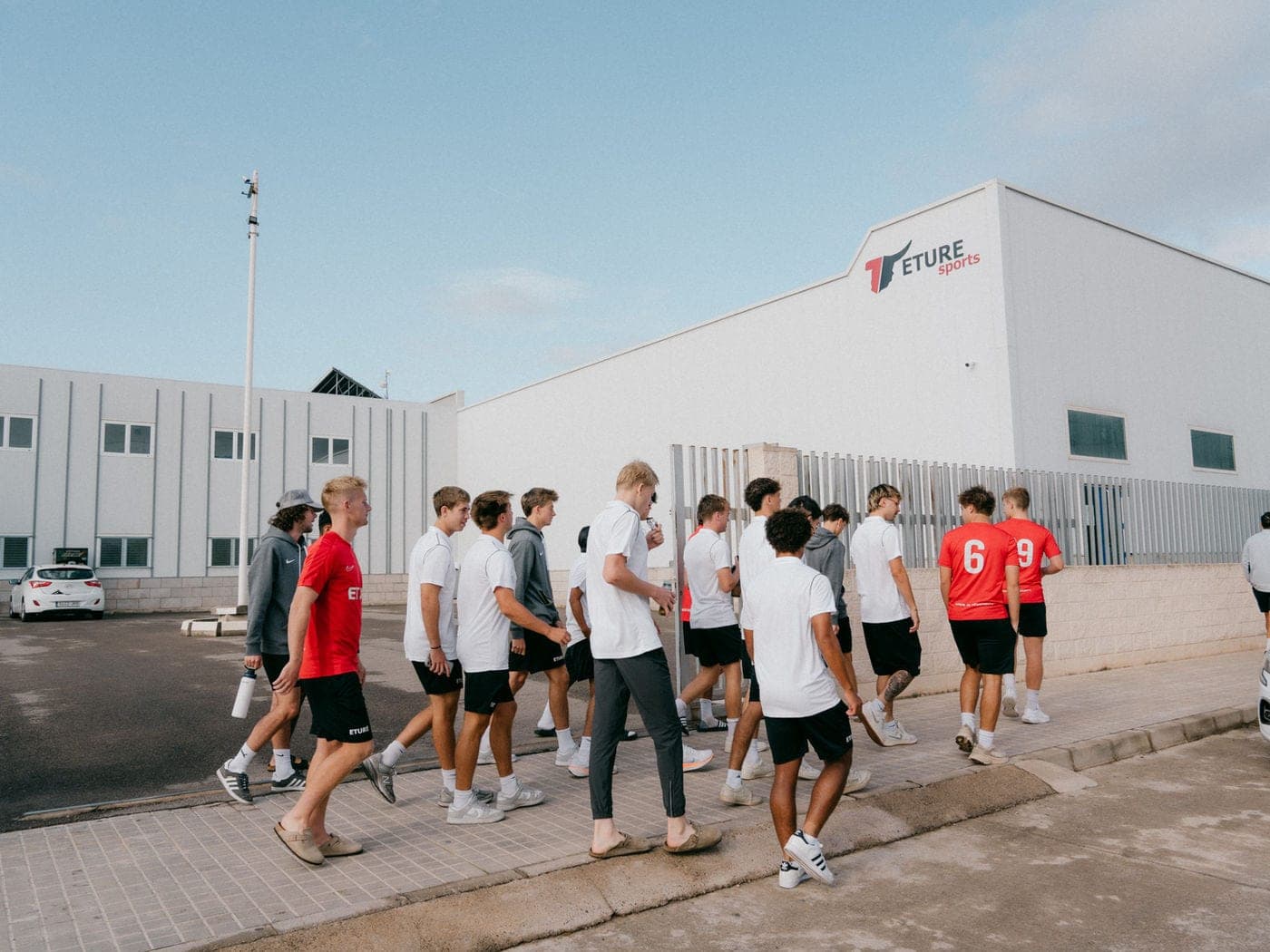
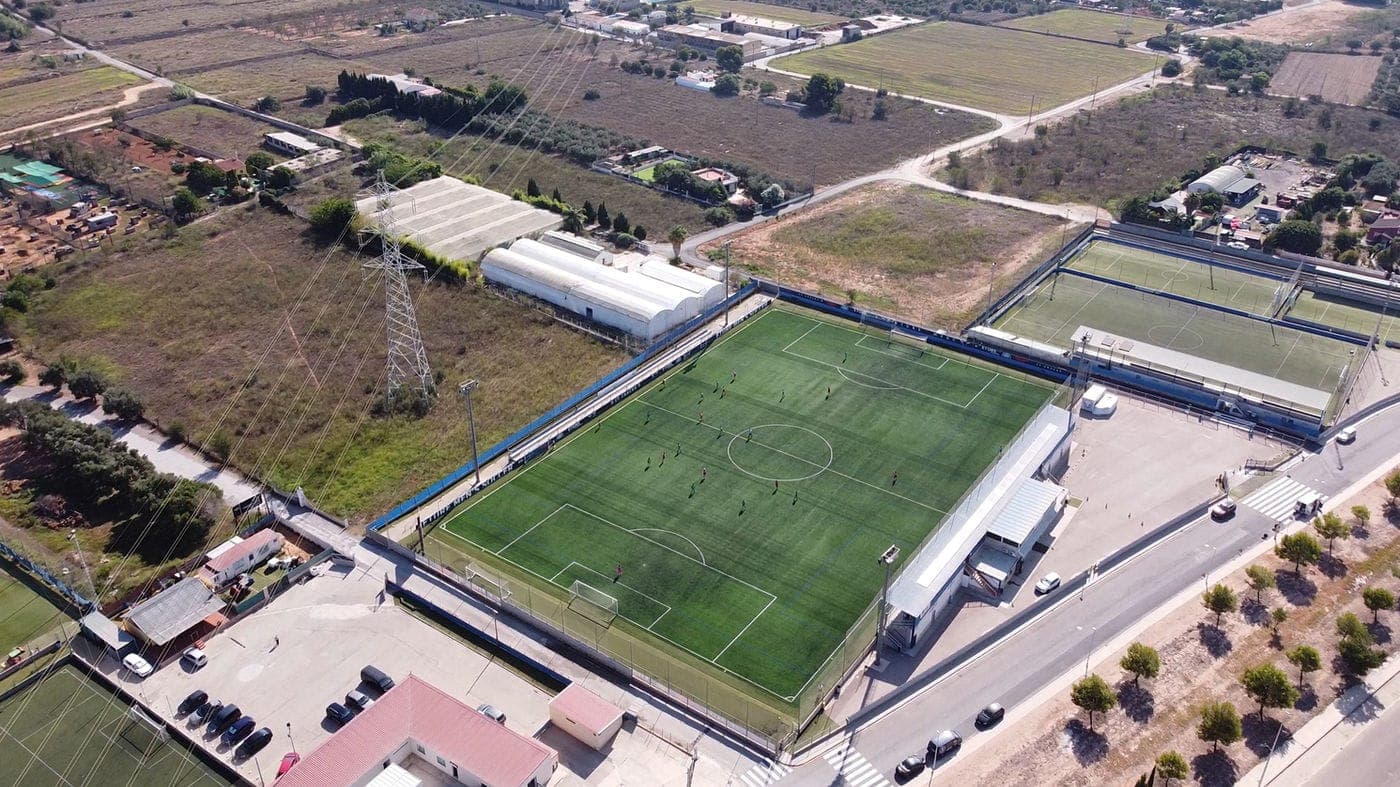
On the campus
Player Residence
Housing
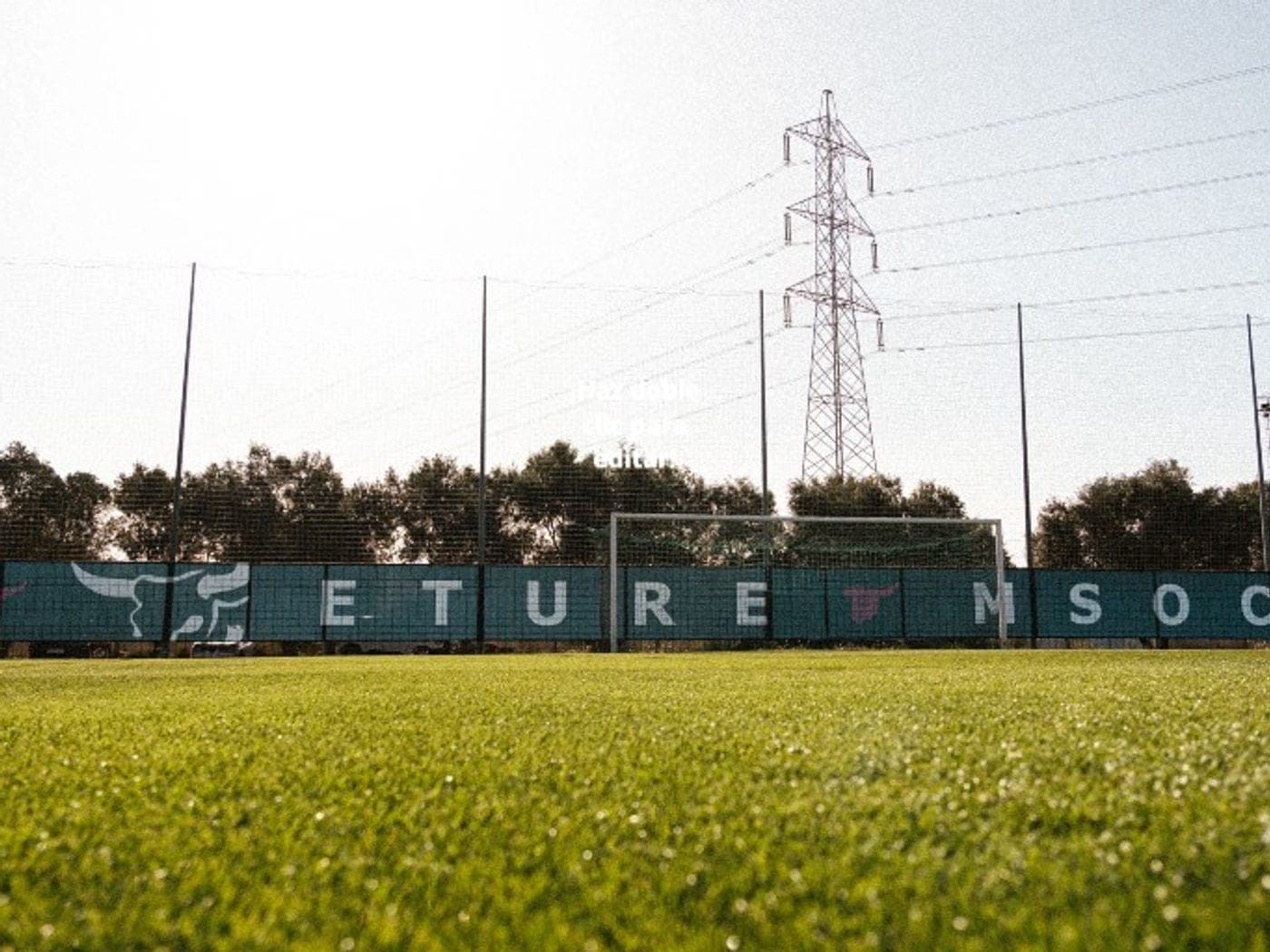
Grass Field
Natural grass
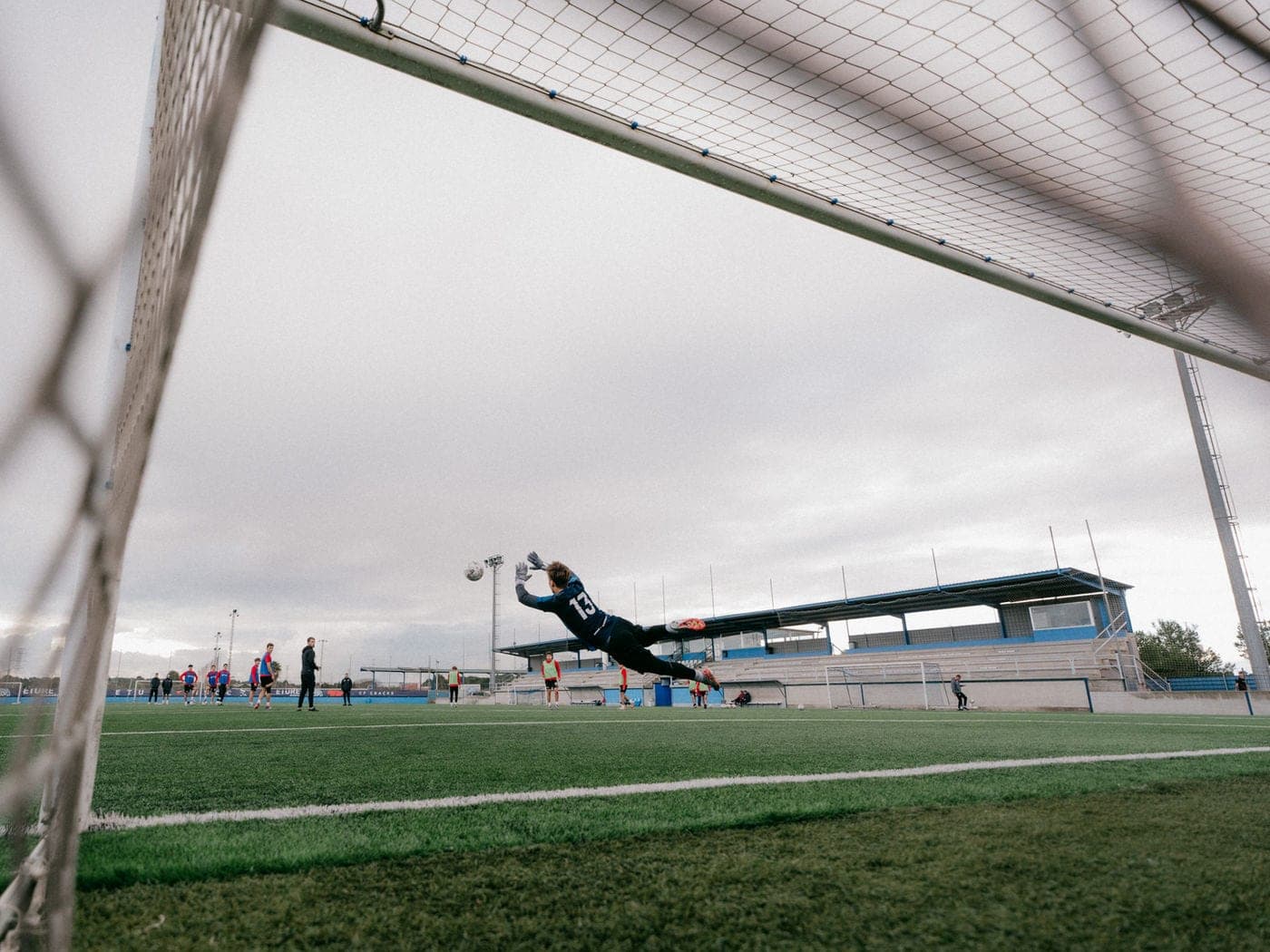
Turf Field
Turf pitch
Weight Room
S&C
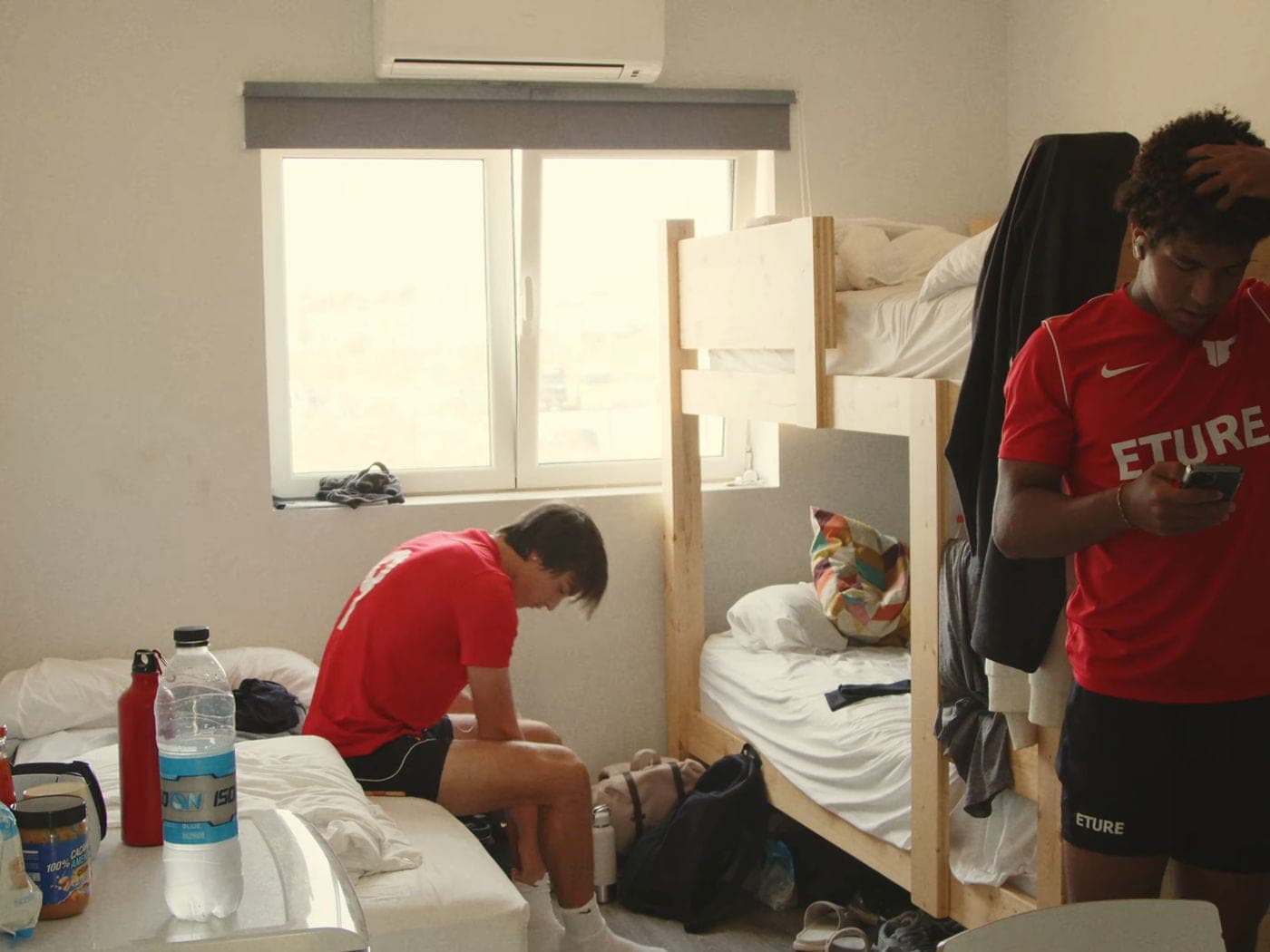
Bedrooms
Accommodation
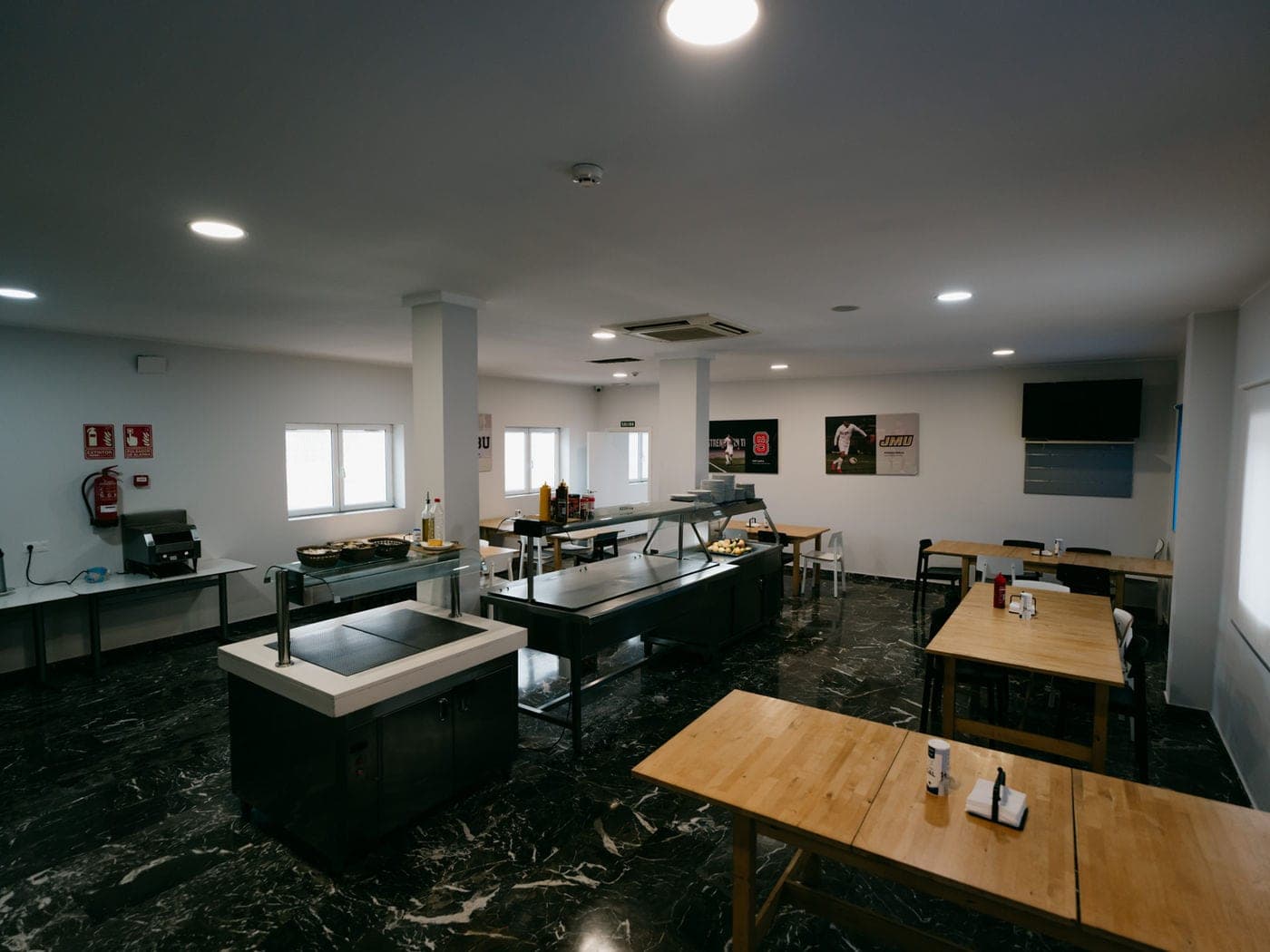
Canteen
Nutrition
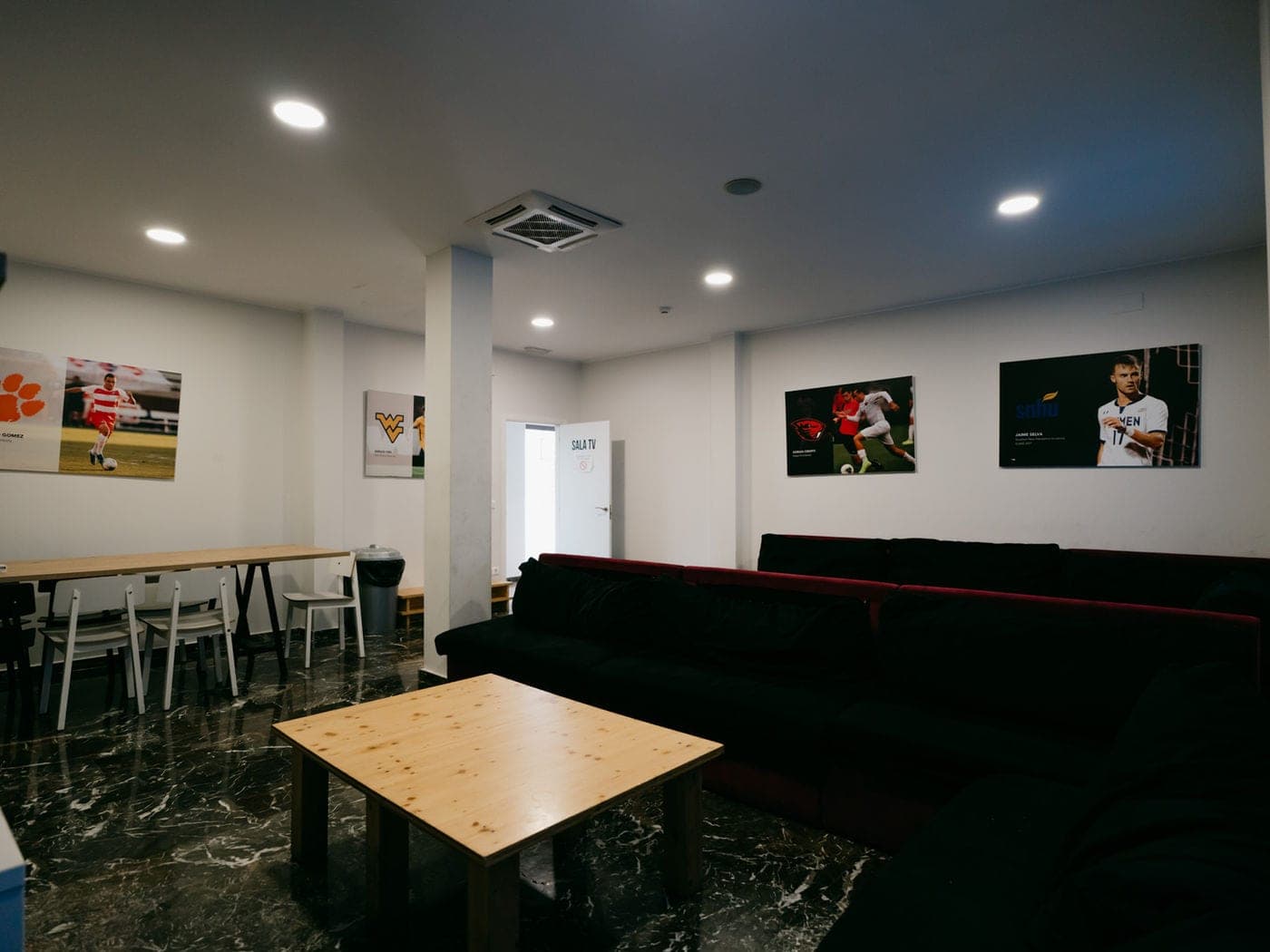
TV & Study Room
Study
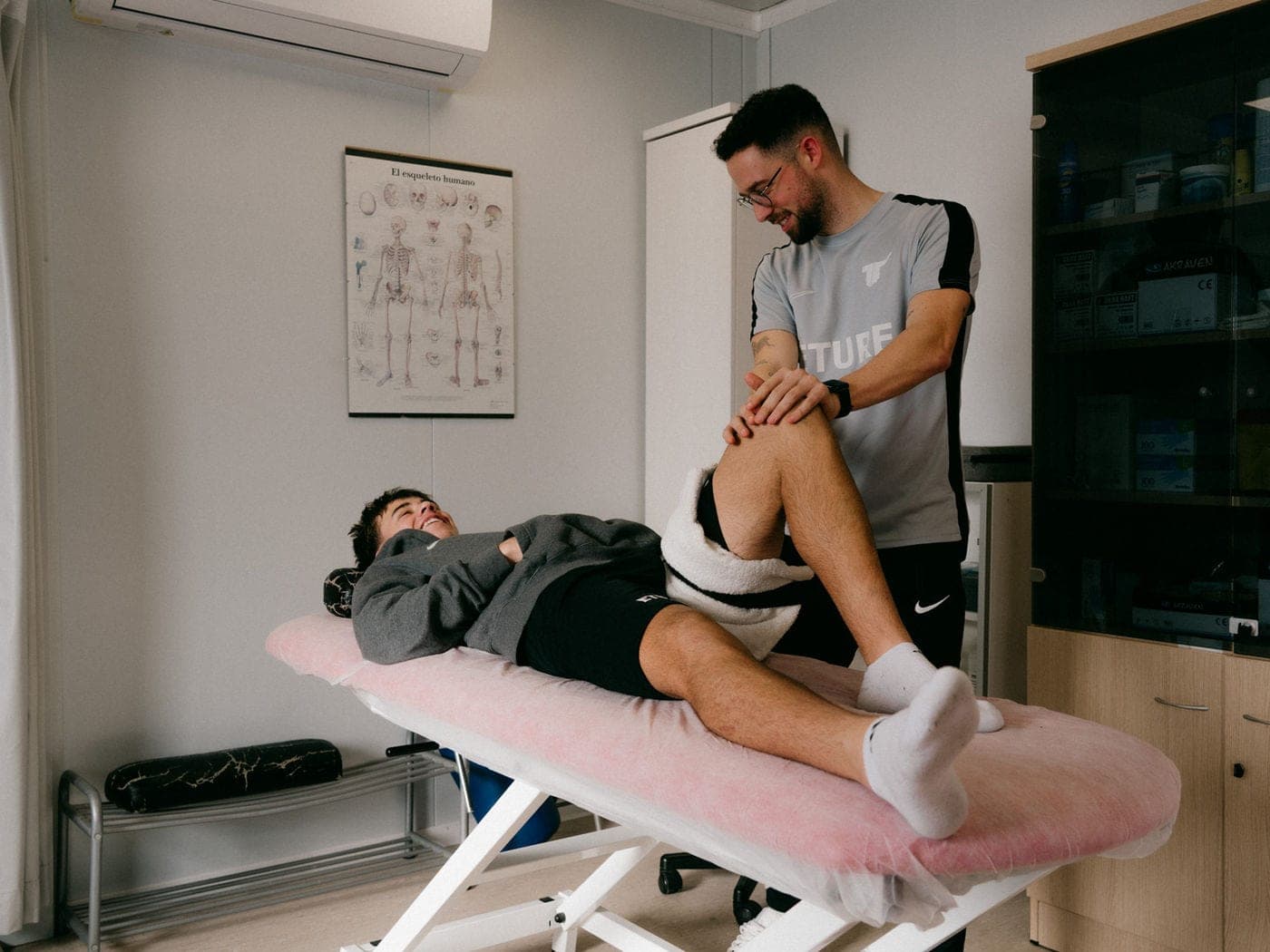
Medical Service
Medical
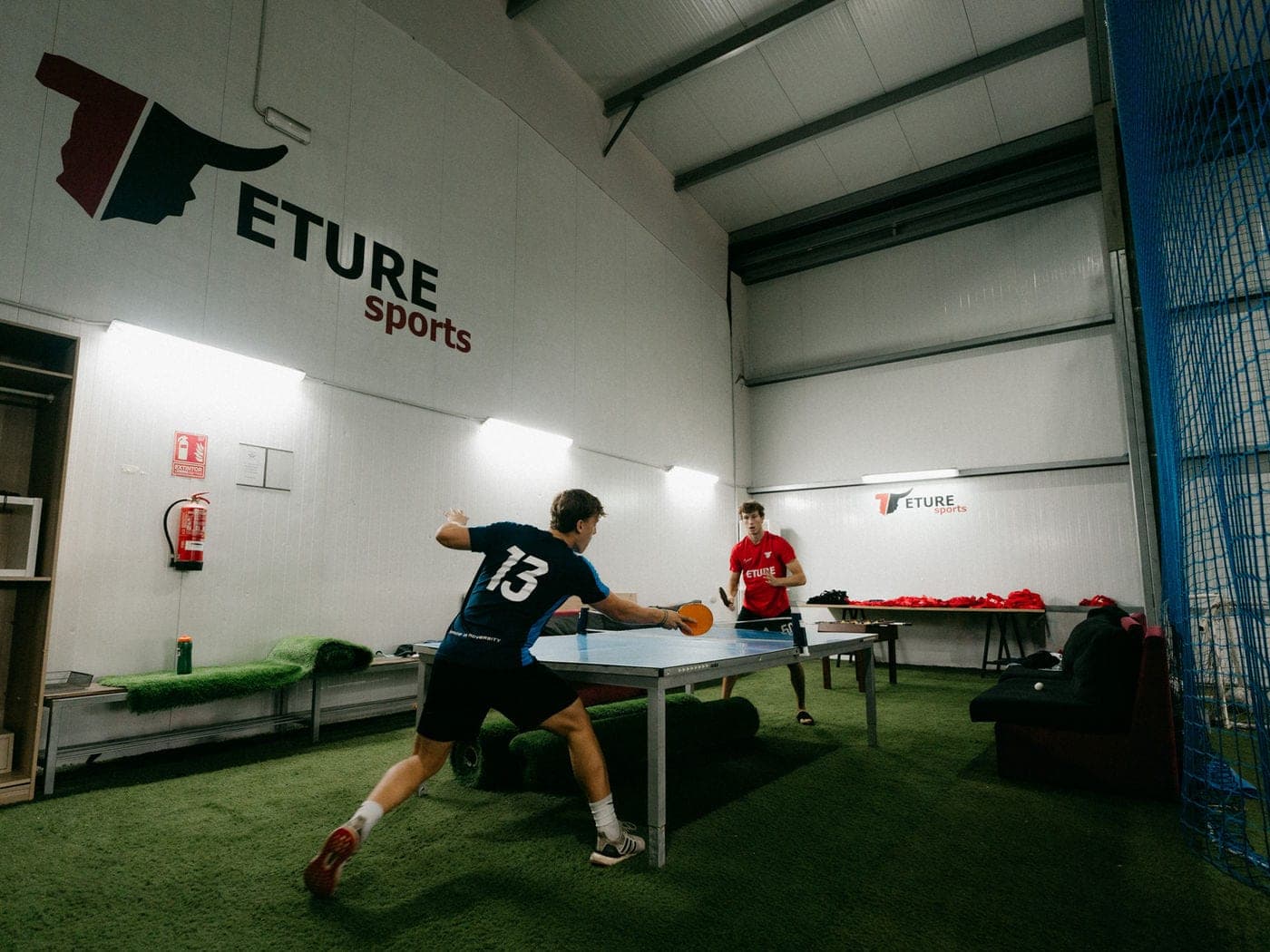
Games Room
Recreation
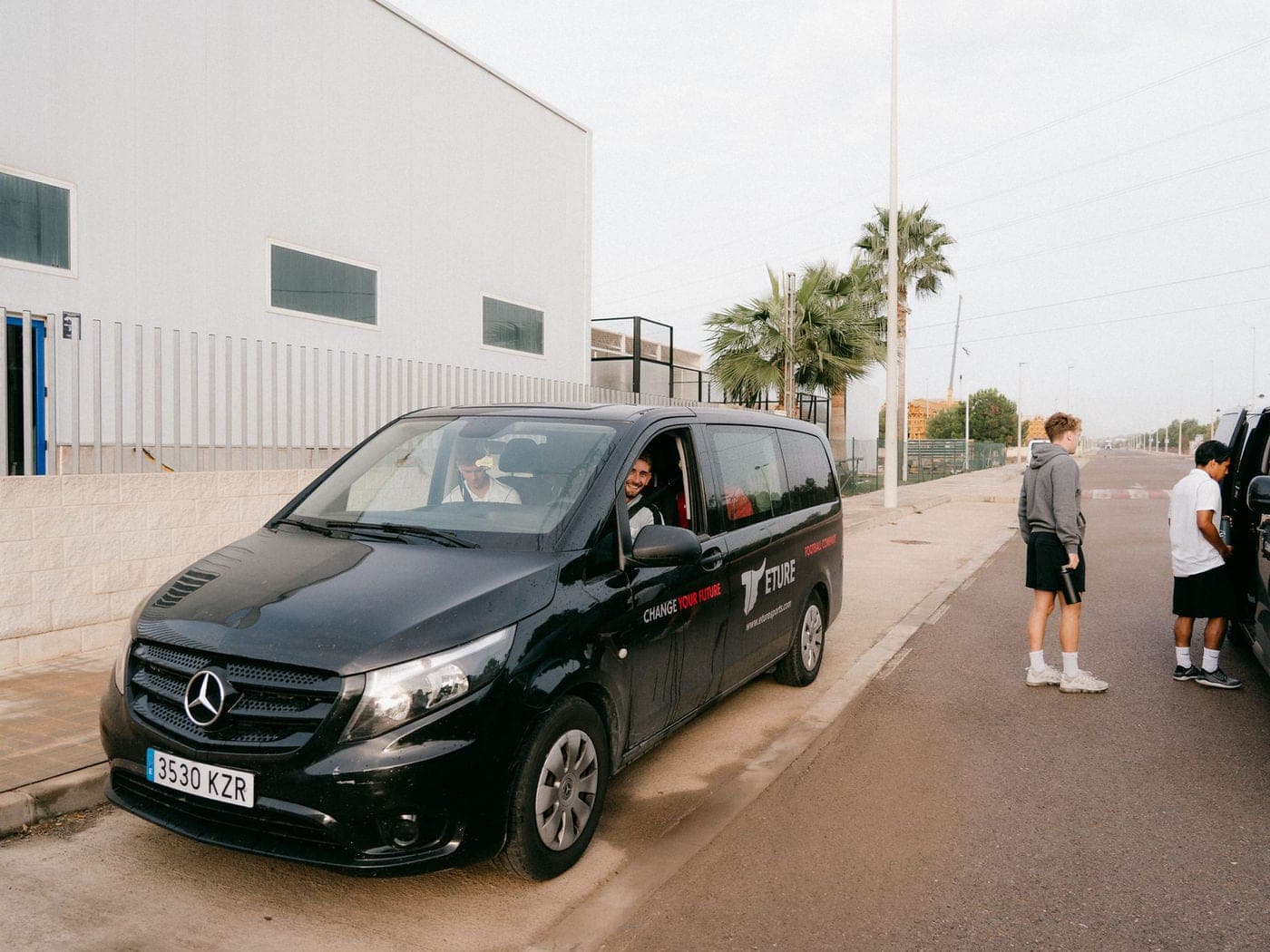
Eture Vans
Transport
The founding class
The first Eture Women's Soccer class
This is year one. The group that arrives is not an intake — it is the founding class, and its season becomes the thing every year after this one is measured against.
There is a real advantage in being early: staff attention that is not spread across five previous cohorts, and a program still being shaped around the players actually in it.
The first season
Being in the first class costs less
This is the first Women's Soccer year, and the founding class is priced accordingly: there are discounts available to the players who make it up. We do not publish what the season costs, because the useful version of that conversation is one where somebody looks at your situation and tells you what it costs for you.
Talk to admissions and you will get exact figures, in writing, before anything is committed.
Talk to admissionsQuestions
For the player, and for the people paying attention
Who is this actually for?
Female players at three points in a career: still in high school and continuing their studies in Spain, finishing high school and wanting a year before college, or finished with college eligibility and not finished with football.
Is this the women's version of the boys' program?
No. It shares the standards, the staff structure and the campus, and it is built around a different question: where does this player's career actually go? The team, the competition and the plan are her own.
Does a year in Spain hurt my college chances?
It does the opposite. You arrive at the recruiting conversation with a higher level, a season of competitive footage against adults, and a staff that has taken players down this route before.
Do you guarantee a club?
We guarantee the work. Every player is placed in the Spanish environment that fits her, and we do not stop at the first one if it turns out to be wrong. What no honest program guarantees is a particular club or a particular number of minutes — those are earned, week to week.
What does it cost?
We do not publish it. The price is confirmed with each family before anything is committed, and because this is the first Women's Soccer season there are discounts available to the founding class. Ask admissions and you will get exact figures rather than a range.
Where does she live?
In the player residence with the rest of the group, minutes from where she trains. Functional and safe rather than luxurious — and we would rather say that now than have you discover it in September.
Does she need Spanish?
No. Nobody arrives fluent. Living it every day is what changes that, and a dressing room teaches it faster than a classroom does.
What if she is not good enough for the level?
Then that is the answer she came for, a year earlier than she would otherwise have got it, and with somebody in the room whose job is to say what to do next. That is not a wasted year. That is the point of the year.
When does the first season start?
The founding-class calendar opens with the first admissions round. Talk to us and we will tell you exactly where it stands.
Apply
Find out how far you can go
The founding class is small and a first season only happens once. Send us your profile and we will tell you honestly whether this is the right year for you — because we would rather find out who you are, and have you find out who we are, than sell you a place.